Changing an insurance product: Why it takes months and what really determines the timeline
The sales director promises the executive team a new auto insurance offering by the beginning of the quarter. A week later, IT hears about the idea for the first time and immediately knows the change will not happen quickly: it affects five systems, two operations teams, and documentation that no one has updated in years. What looked like a straightforward product change from the business perspective starts stretching into several months. In this article, we explain what really determines the pace of product changes and how to design an architecture that makes them easier to implement.
What you need to know
- An insurance product change rarely takes longer because of the business decision itself. Most of the time is spent translating that decision into sales, policy administration, and claims systems, especially when each system maintains its own product definition, rules, and configuration data.
- Separating the product definition, business rules, and process flow into independent layers reduces the number of dependencies. As a result, changing one element does not automatically require changes to the rest of the solution.
- Versioning makes it possible to associate each policy with the rules that were in effect when it was issued. A new product version can apply to new policies, while existing policies continue to be administered according to the appropriate version of the coverage terms, rates, and rules.
What makes an insurance product change take months?
On paper, an insurance product change looks simple: update a rate, add a new roadside assistance option, or change the scope of coverage. A few decisions, some configuration, and the work is done.
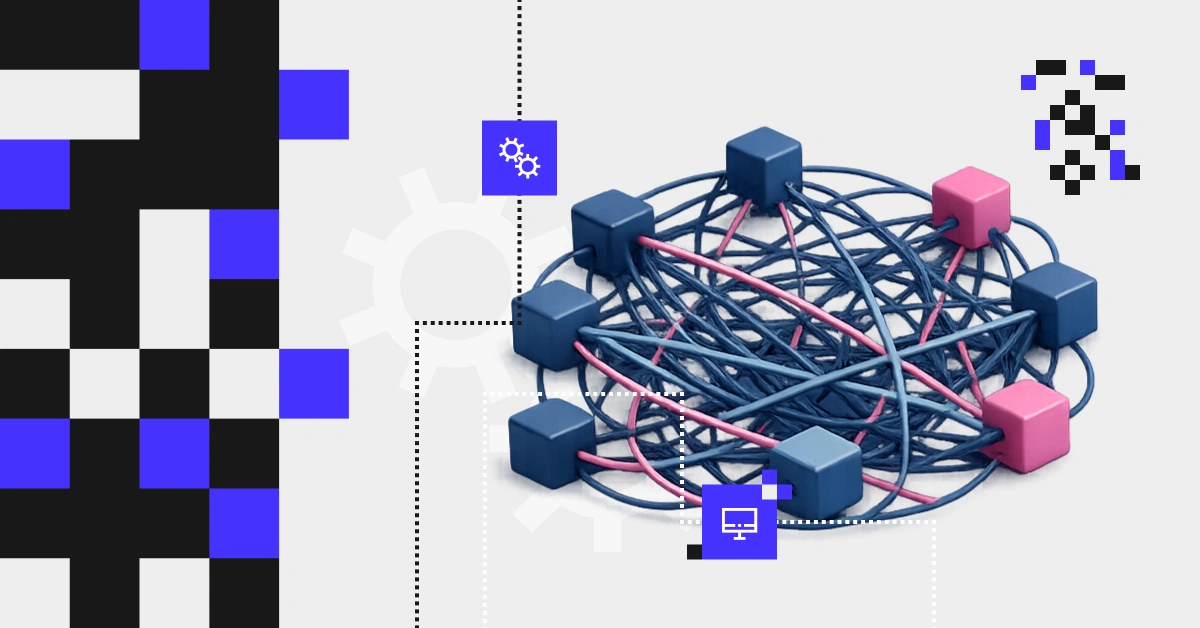
The problem is that an insurance product almost never exists in a single system. Its components are distributed across sales, policy administration, claims, rating, and document systems, all of which must remain consistent with the new version of the policy terms.
When each of these systems uses its own product definition, even the smallest change must be recreated separately in every location. The product team establishes the new rules, IT translates them into code or configuration, someone must update the policy forms and document templates, and testers verify that nothing has become inconsistent along the way.
Even then, more questions arise: Where else is the limit stored? What will the agent see? Can the claims organization support the new coverage option? Will older policies continue to operate under the previous rules?
The more systems that maintain their own version of the same information, the longer the path from decision to implementation — and the greater the risk that an outdated rate, limit, or condition will remain somewhere in the environment.
In this situation, time pressure does not help. Instead, it quickly exposes earlier oversights, accumulated technical debt, and dependencies that no one remembers anymore. A deadline committed to the executive team before anyone has assessed the actual scope of work imposes a pace that the current product architecture simply cannot support.
As a result, IT becomes the bottleneck because it must manually reproduce the effects of the same decision everywhere a fragment of the product has been stored.

What do teams most often overlook when planning a product change?
The scope of the change itself is usually the easiest and often the best-documented part of the plan. Teams therefore quickly begin treating the project as a list of features to implement.
Much less attention is given to the less convenient question: What does the change mean for products, policies, and processes that are already in operation and must continue to be administered under the previous rules?
This step cannot be safely skipped or copied from a previous implementation. A solution that worked elsewhere may fail in a new project because of a different data model, different integrations, or a different operating model.
Automation and AI models can accelerate parts of the analysis or testing process, but they cannot decide for the team how the new product version should fit into the current architecture and coexist with what is already working.
Product change discussions often include a statement such as: “We don’t have time for analysis. We just need to make the change.”
The pressure is understandable, particularly when a deadline has already been promised. In practice, however, skipping the analysis rarely makes the project shorter. It usually only moves the problems to a later stage — to testing, deployment, or production.
How can you change a product without undermining the foundation that supports the in-force book of business?
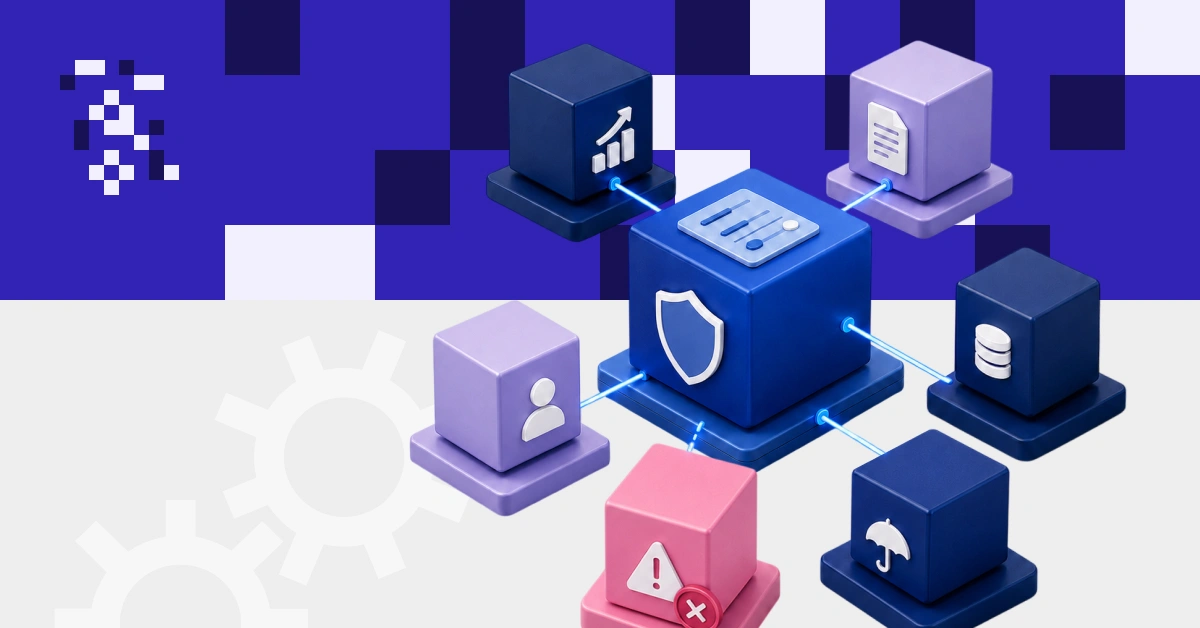
A controlled product change requires separating three areas that are tightly interconnected in many systems: the product definition, business rules, and process flow.
This allows a modification to be introduced where it is actually needed, without automatically affecting the remaining parts of the solution.

One product definition instead of several copies
Once these areas have been separated, the product definition can be maintained in a central configuration tool instead of being manually replicated across multiple systems.
Solutions of this kind are commonly referred to as product builders, product configurators, or product factories. In Altkom Insurance Suite, this function is provided by AIS Product Factory, where organizations can configure coverage options, parameters, rates, and selected rating rules.
This allows sales, policy administration, and claims systems to use a consistent product model instead of maintaining their own versions of the same information.
Versioning without overwriting history
Separating these areas is not enough when every new change replaces the previous one. This is why versioning is necessary.
When policy terms, rates, or servicing rules change, a new product version is created with a defined effective date. Existing policies remain associated with the rules under which they were issued.
This makes it possible to reconstruct the correct terms during an audit, complaint, or claims dispute without applying today’s configuration to a policy issued several years earlier.
Process managed through orchestration
Separating the process makes it possible to change the sales or servicing workflow without modifying the structure of the product.
The organization can add a verification step, change the sequence of activities, or create a different workflow for a specific distribution channel while leaving rates, coverage options, and coverage rules unchanged.
Orchestration is particularly important when an organization must respond quickly to new regulatory or operational requirements. The team can modify the part of the process that is actually affected rather than rebuilding the entire solution.
What does this approach change for different roles within the organization?
Centralized management of the product definition, versioning, and process orchestration affects more than the work of IT.
For each role, it provides a different benefit: a shorter implementation timeline, less manual work, better control over product history, or a more predictable cost of change.

Greater business autonomy does not mean that IT is removed from the process. IT remains responsible for security, data integrity, integrations, and architectural standards.
What changes is the distinction between modifications that can be handled through configuration and those that still require technical intervention.
How does this approach work in practice? The example of a new auto insurer
To illustrate how centralized configuration, versioning, and orchestration work outside an architectural diagram, consider one of our projects.
An organization that had previously operated as an intermediary was preparing to take over a large book of business and almost immediately begin administering policies and handling claims independently. It had to do so without a months-long transition period and without any disruption noticeable to customers.
From the first day, the system had to support two sets of policies at the same time: policies transferred from the previous operating model and new policies issued directly by the insurer.
Launching sales alone was therefore not enough. The organization also had to preserve the history of the existing book of business, reflect the specific characteristics of the client’s products, and prepare the solution for future changes.
The implementation was based on the standard Altkom Insurance Suite core, extended to meet the requirements of the individual organization.
Product definitions, coverage options, parameters, and rates were maintained in AIS Product Factory instead of being recreated separately in each part of the system. Versioning made it possible to associate policies with the appropriate rules, while orchestration structured servicing workflows and allowed the sequence of steps to be changed or a new verification to be added without rebuilding the entire solution.
The result was the launch of operations with the transferred portfolio of policies and claims, more efficient claims intake supported by consistent data, and more transparent billing and financial reconciliation across the repair network.
From the perspective of future development, the underlying foundation was equally important: products, product versions, and processes were not hard-coded solely for the launch date. As a result, subsequent changes can be introduced without disrupting the rules associated with policies that are already in force in the system.1
Do you need to replace the entire core to make product changes faster?
At this point, another question usually arises: Does gaining this level of flexibility require replacing the entire core system?
Not always.
A full implementation of a new core insurance platform makes sense when an insurer wants to redesign most of its environment, standardize several lines of business, and establish a shared data and process model.
This is a broad transformation that provides a single foundation but requires changes across a large part of the organization.
When the primary constraint is the way products are defined, their versions are managed, or the sales and servicing processes are conducted, replacing the entire core is not always the right place to start.
The organization can implement selected components, connect them to the existing core, and integrate them with systems that continue to serve their purpose. This approach concentrates the investment on the area that is actually preventing faster product changes.
The choice is therefore not simply between a “large system” and a “modular platform.” The more important question is whether the approach allows the organization to maintain the product definition in one place, preserve successive versions, and change the process flow without rebuilding the entire environment.
A full core replacement is justified when the problem affects the entire foundation. A modular approach is better suited to organizations that want to modernize a specific product line, process, or distribution channel first and develop the solution in stages.
Summary
Teams rarely say directly that the most expensive aspect of a product change may be the fear of touching a system that currently works.
That concern can stop a project more effectively than a lack of ideas for a new coverage option, while a competitor may already be testing its own offering in the market.
A well-prepared environment gives the business greater control over portfolio development, enables more realistic timeline planning, and ensures that an urgent change does not trigger crisis mode across the entire organization.
This is where an advantage emerges that is difficult to overcome simply by adding another feature to the system.